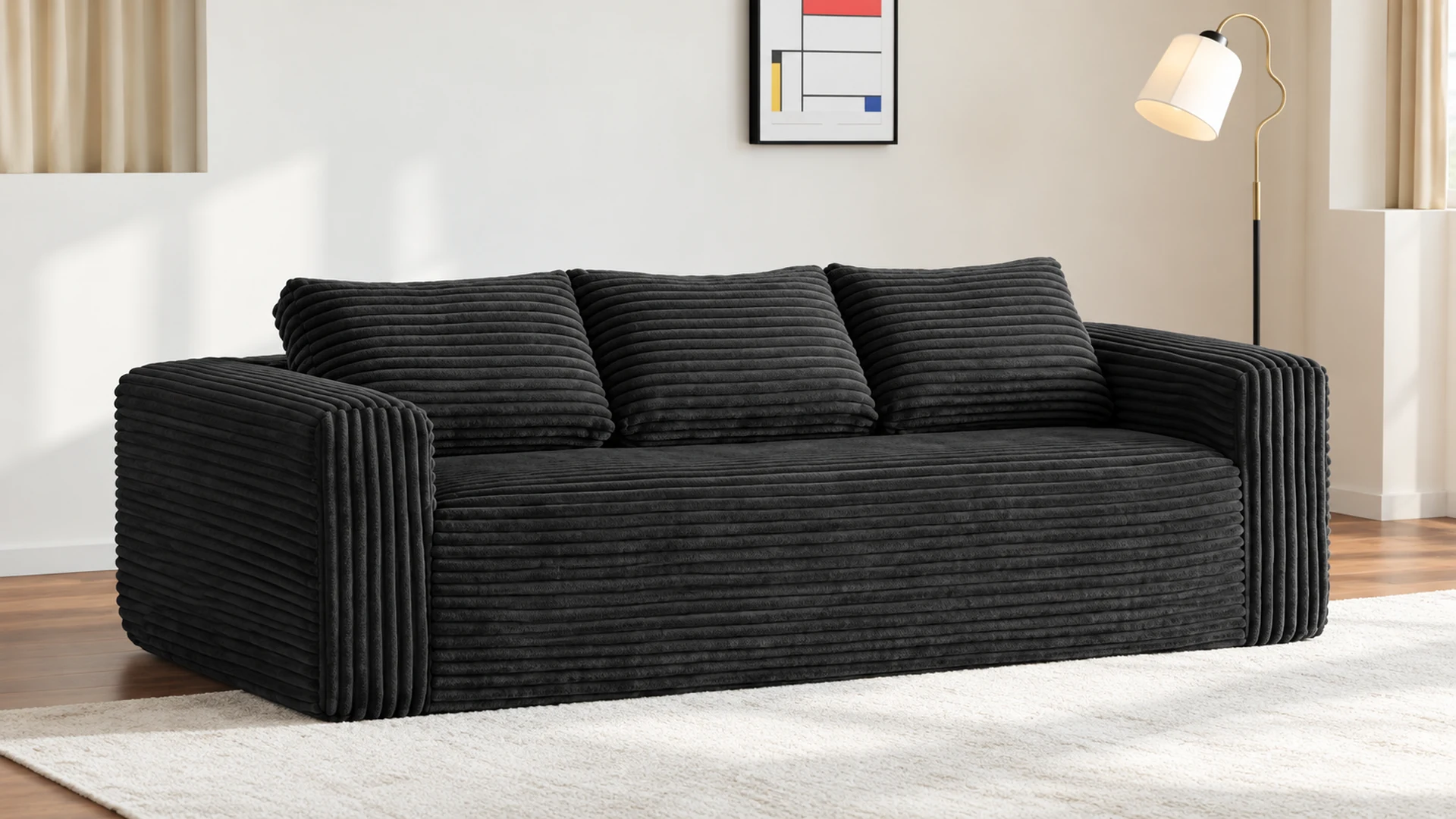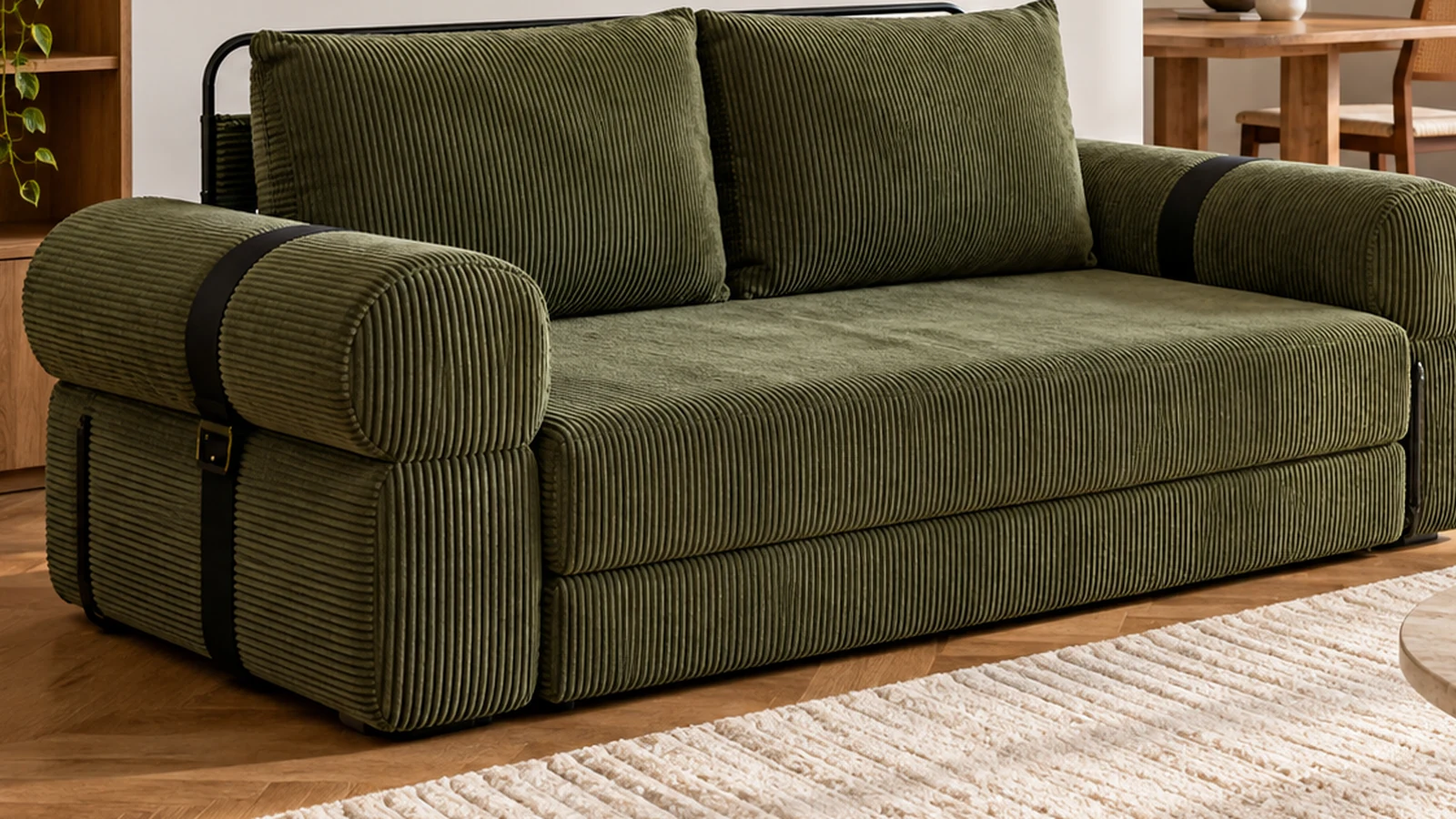
To maintain a fabric sofa, remove loose dust regularly, keep movable cushions correctly positioned, reduce avoidable wear, and deal with spills according to the upholstery instructions. The useful routine is usually a series of small tasks between cleanings. Washing, shampooing, or steaming the whole sofa is a separate decision that depends on its fabric, construction, and care requirements.
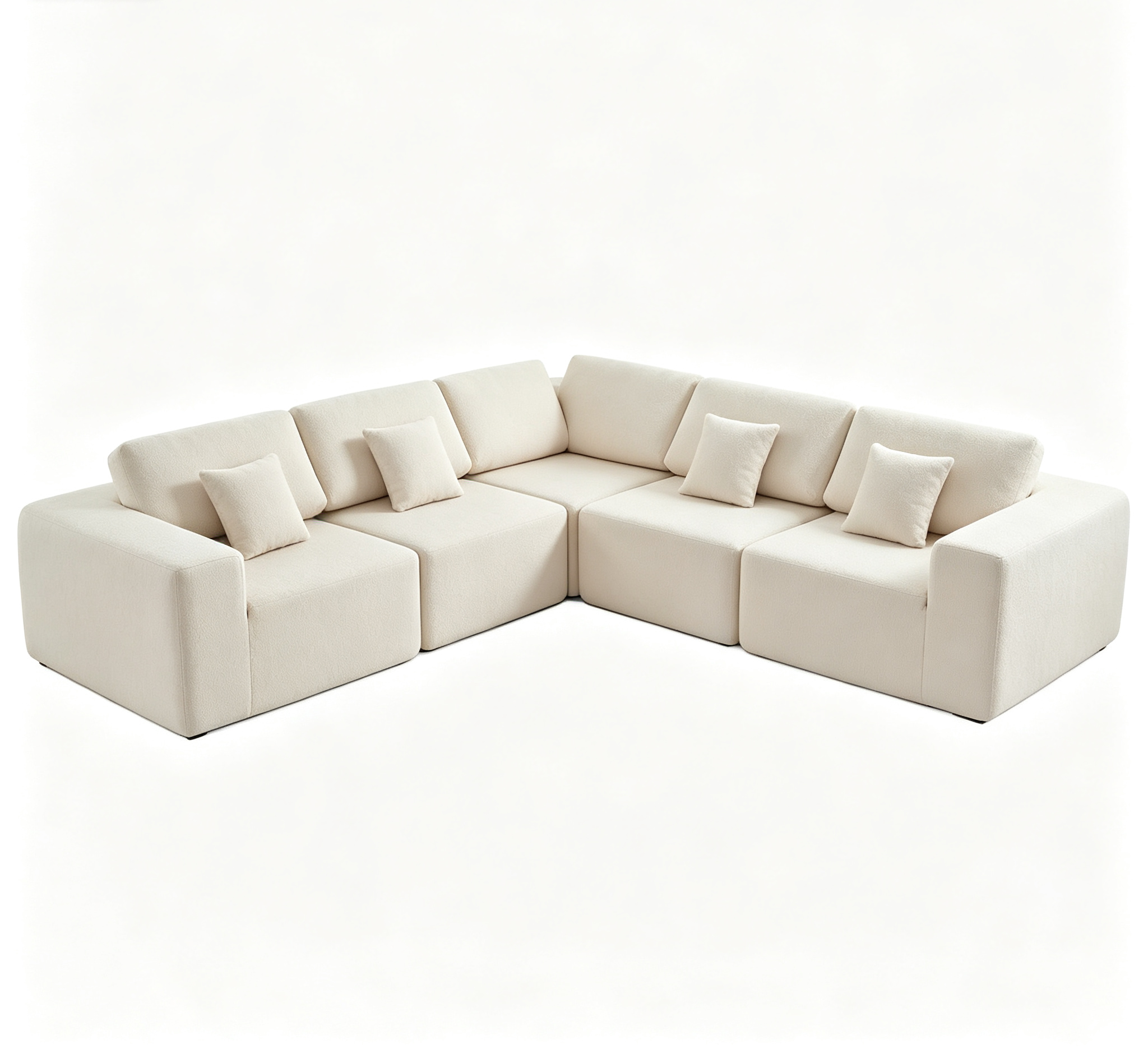
On modular furniture, everyday care also includes the spaces between sections and the position of loose cushions. ScrapeSpace’s White Modular L Shaped Sofa, for example, combines fabric upholstery with separate back cushions. The surface and the movable pieces need attention in different ways.
Check the Upholstery and Care Instructions First
Start by identifying the sofa and its upholstery, then keep the relevant care information where you can find it. Save the product name, fabric reference if supplied, and a photograph of any care label. If different fabrics were available when ordering, use the instructions for the selected upholstery.
Three details are especially useful: which surfaces can be vacuumed, which cushions or covers are designed to be removed, and which cleaning methods are permitted. A zipper alone does not answer all three questions. A cover may be removable for access or replacement without being suitable for machine washing.
Also separate the cover from the cushion filling. Permission to clean an outer fabric does not automatically extend to soaking the foam or other material beneath it. For ordinary fabric sofa maintenance, this information helps you choose a simple starting routine and reserve more intensive cleaning for situations that actually require it.
Remove Dust Before It Builds Up
Use a Method Suited to the Fabric
Regular dry dust removal is a practical starting point because loose particles can collect on the seat and in places that are easy to overlook. Where the care instructions permit vacuuming, use a clean upholstery attachment and light passes. A rotating floor brush or vigorous scrubbing is an unsuitable default for an unfamiliar fabric, particularly one with a raised texture.
Check Seams, Quilting and Accessible Gaps
Work across the backrest, arms, and seat, then check the seams and accessible gaps. Lift only cushions designed to be lifted. There is no need to pull at fixed upholstery to reach underneath it.
Texture and layout help identify where to look. ScrapeSpace’s Multi Color Modular Floor Sofa with Ottoman has quilted fabric and separate seating components. Include the quilted surface and accessible spaces between those components in a visual dust check. The care method still follows the selected fabric, rather than the shape of the sofa.
A quick inspection during room cleaning makes the routine easier to adjust. If crumbs or pet hair return before your next planned clean, check those areas more often. An occasionally used sofa may need less attention than the seat used throughout the day. The aim is to respond to actual accumulation without repeatedly working a clean surface.
Care for Cushions According to Their Construction
Distinguish Loose Cushions from Fixed Upholstery
Keeping sofa cushions in shape begins with understanding how they are made and attached. After use, return loose back cushions to their intended position and gently smooth displaced upholstery. If the manufacturer recommends fluffing a particular cushion, follow that method. Flipping or rotating cushions is appropriate only when their shape, upholstery, and attachment allow it.
A reversible loose seat cushion gives you different options from a fixed seat or a cushion with one finished face. Likewise, a shaped corner cushion should return to its correct position. Rearranging an entire modular layout is not a substitute for following the care instructions for its cushions.
Separate Everyday Reshaping from Persistent Deformation
Distinguish a shifted cushion or wrinkled cover from a persistent change in support. If a seat remains uneven after normal repositioning, record what has changed and seek product-specific advice. Repeated beating, adding heat, or forcing the upholstery into place does not identify the cause of the problem.
Reduce Sun Exposure and Everyday Wear
Maintaining fabric upholstery also involves how the sofa is used and where it sits. Prolonged direct sunlight can fade upholstery. Check where sunlight falls at different times of day; curtains, blinds, or a change in position can reduce direct exposure without changing the room’s entire layout.
Keep the sofa clear of heat sources according to the equipment and furniture instructions. A nearby radiator or portable heater is also a reason to reconsider using that spot to dry a damp cushion. Drying should follow the approved care method.
Look for repeated contact with rough objects, bags, footwear, or a neighboring piece of furniture. Moving a bag to a side table or creating a little more room beside an armrest can remove a source of rubbing. These small changes are useful before visible wear develops.
When the same seat is used every day, include it in your regular condition check. Where the design allows cushion rotation, follow the recommended arrangement. For fixed seating, changing where you sit occasionally can distribute use. Neither approach makes a fabric wear-proof, and a different upholstery color does not establish greater resistance to abrasion or fading.
Handle Spills Without Over-Cleaning
For an ordinary liquid spill, begin by gently blotting the excess with a clean, dry, absorbent white cloth. Lift the cloth between presses and use a clean section as it absorbs liquid. Rubbing across the surface can spread the spill and work it further into the upholstery.
Before adding water or a cleaning product, check the approved method for that fabric. If a treatment is permitted, follow its application instructions and any concealed-area test requirement. Keep moisture within those instructions; soaking the cushion adds a different problem from a small surface spill.
A common mistake is to keep adding products when the first attempt leaves a mark. Instead, note what was spilled and what has already been applied. A persistent stain, a spreading ring, or a change in texture is a reason to stop experimenting and consult an upholstery professional familiar with the fabric. Steam, household mixtures, and whole-cover washing should each require their own confirmation.
Build a Care Routine and Recognize Problems Early
A fabric sofa care routine works best when it fits the household. Include an inspection in your normal room-cleaning schedule, then adjust the attention each area receives. The seat beside a frequently opened door, a favorite lounging position, and a rarely used corner may not collect the same amount of debris or show the same changes.
| When to check | Useful action |
|---|---|
| After everyday use | Remove visible loose debris and return movable cushions to their intended position. |
| During room cleaning | Inspect the seat, arms, seams, and accessible gaps; vacuum as permitted and needed. |
| After a spill | Blot excess liquid promptly, then use the fabric-specific instructions. |
| When appearance or support changes | Record the affected area and seek advice before trying stronger treatments or structural adjustments. |
If a care method is unclear, record the product name, upholstery details, photographs of the affected area, and any treatment already applied. Include those details when you ask ScrapeSpace about the care requirements for your sofa. They help identify the relevant model and material. If you are still comparing fabric sofas, request the care instructions before confirming the upholstery so you know what routine the chosen fabric requires.